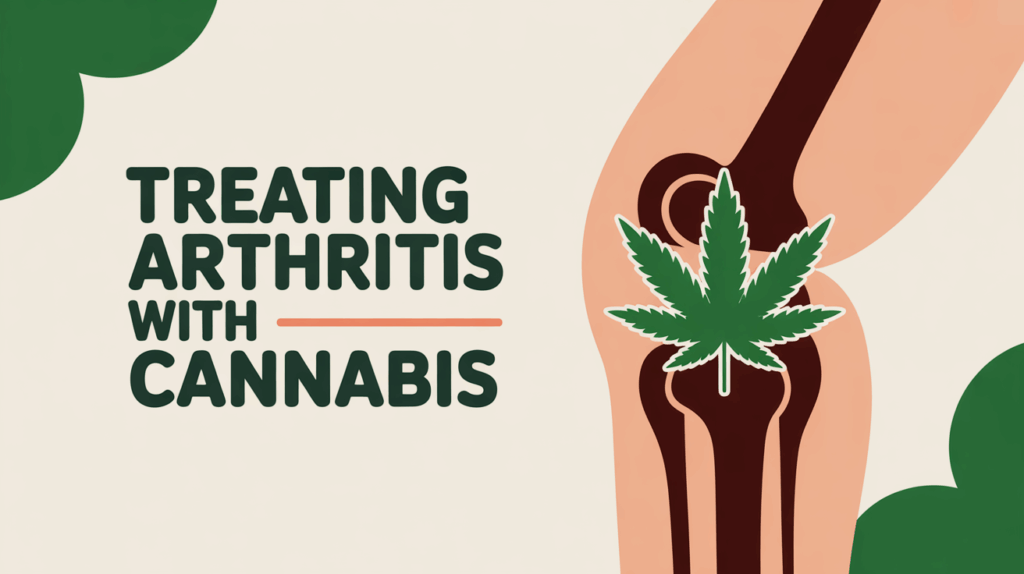
Treating Arthritis with Cannabis in 2025: What Canadians Need to Know
Living with arthritis pain in 2025 often means juggling prescriptions, side effects, mobility issues, and sleep problems all at once. Arthritis affects approximately one in five Canadian adults, making it one of the most prevalent chronic conditions in the country. The daily struggles of managing joint pain, inflammation, and stiffness can significantly impact work productivity, social engagement, and overall quality of life. Many sufferers find themselves caught in a cycle of increasing medication doses, escalating side effects, and diminishing relief. Treating arthritis with cannabis in 2025 has emerged as a serious and increasingly researched option for many Canadians who want more control over their pain, inflammation, and quality of life without relying solely on traditional pharmaceutical interventions. This comprehensive guide explores the science, benefits, risks, and practical considerations for using cannabis as part of an arthritis management strategy in 2025 and beyond.
Key Takeaways: Treating Arthritis with Cannabis
- Symptom Management, Not Cure: Treating arthritis with cannabis in 2025 focuses on managing pain, inflammation, and sleep disturbances—not “curing” the disease or reversing joint damage.
- CBD for Daytime Relief: CBD-dominant products are often preferred for daytime arthritis relief because they provide anti-inflammatory benefits without intoxication.
- THC for Severe Pain: THC may help with severe pain and sleep when used carefully under medical supervision as part of treating arthritis with cannabis.
- Growing Research Support: Emerging research supports cannabinoids’ significant role in pain relief and inflammation reduction, though more long-term clinical trials are needed.
- Quality Matters: Choosing lab-tested products from a leading Canada top dispensary helps minimize risks and ensures consistent dosing.
- Medical Supervision Essential: Always consult healthcare providers before adjusting medications, especially opioids or long-term NSAIDs, when treating arthritis with cannabis.
- Individual Responses Vary: Personalized dosing, careful monitoring, and professional guidance are essential components of safe and effective treatment.
Table of Contents: Complete Guide to Treating Arthritis with Cannabis
- What Is Arthritis and Why Is It So Painful?
- Understanding Different Types of Arthritis
- Why Canadians Are Treating Arthritis with Cannabis in 2025
- Limitations of Conventional Arthritis Treatments
- How CBD and THC Work on Arthritis Pain
- The Endocannabinoid System and Pain Regulation
- What the Research Says About Cannabis and Arthritis in 2025
- Ongoing Clinical Trials and Future Directions
- CBD Products for Arthritis: Oils, Tinctures, and Topicals
- THC-Dominant Options: When Pain Is Severe
- How to Dose Cannabis Safely for Arthritis
- Integrating Cannabis with Comprehensive Arthritis Management
- Potential Risks, Side Effects, and Who Should Avoid Cannabis
- Drug Interactions and Medication Considerations
- How to Buy Quality Cannabis for Arthritis in Canada
- Best Cannabis and CBD Options at Speed Greens
- Patient Experiences and Real-World Testimonials
- Frequently Asked Questions
What Is Arthritis and Why Is It So Painful?
Arthritis is a broad term that describes over 100 diseases and conditions affecting joints throughout the body. The word itself means “joint inflammation,” and inflammation is indeed central to the painful symptoms that millions of people experience daily. When a joint becomes inflamed, the surrounding tissues swell, restricting movement and creating pain signals that the brain perceives as discomfort or aching. This inflammation is the body’s natural response to injury or disease, but in arthritis, it becomes chronic and persistent.
The structure of a healthy joint is carefully designed for smooth, pain-free movement. Two or more bones meet at a joint, with the bone ends covered by smooth cartilage that acts as a natural cushion. The joint is lined with a membrane called the synovium that produces synovial fluid, which nourishes the joint and minimizes friction. Strong ligaments and muscles support the joint and allow for controlled movement. When arthritis develops, this delicate balance is disrupted. Cartilage degenerates, bones rub together, the synovium becomes inflamed, and the joint loses its ability to move smoothly. For a comprehensive overview of arthritis causes, symptoms, diagnosis, and treatments, the WebMD guide to understanding arthritis treatment is an excellent resource.
Traditional arthritis treatments include rest, anti-inflammatory medications (NSAIDs), corticosteroid injections, physical therapy, occupational therapy, and in severe cases, joint surgery or replacement. While these approaches help many patients, they come with limitations. NSAIDs can cause stomach ulcers, cardiovascular problems, and kidney damage with long-term use. Corticosteroids have their own side effect profile and lose effectiveness over time. Joint replacement surgery carries risks and may not be suitable for all patients. This is why many people are now exploring treating arthritis with cannabis as a complementary or alternative approach.
Understanding Different Types of Arthritis
To effectively use cannabis for arthritis relief, it is helpful to understand which type of arthritis you have, as different types may respond differently to cannabinoid therapy when treating arthritis with cannabis.
Osteoarthritis (OA)
This is the most common type, affecting millions of Canadians. It develops when protective cartilage on the ends of bones gradually wears down over time. This can happen due to aging, repetitive stress on joints, previous injuries, obesity, or genetic factors. As cartilage deteriorates, bones begin to rub against each other, causing pain, stiffness, and reduced range of motion. Osteoarthritis commonly affects weight-bearing joints like the knees, hips, and lower back, as well as the hands and neck. It typically develops slowly and worsens over years.
Rheumatoid Arthritis (RA)
Unlike osteoarthritis, RA is an autoimmune disease where the body’s immune system mistakenly attacks the joint lining (synovium). This causes inflammation, swelling, and pain. Over time, the inflammation can spread to cartilage and bone, causing permanent damage and deformity. RA tends to develop more rapidly than osteoarthritis and often affects multiple joints symmetrically (for example, both hands or both knees). It can also cause systemic symptoms like fatigue, fever, and affect other body systems including the eyes, heart, and lungs.
Other Common Types
Gout results from uric acid crystal buildup in joints, causing acute, severe pain. Lupus, ankylosing spondylitis, psoriatic arthritis, and other inflammatory conditions also fall under the arthritis umbrella. Each type has unique characteristics, and treatment approaches may need to be tailored accordingly when treating arthritis with cannabis.
Why Canadians Are Treating Arthritis with Cannabis in 2025
Several converging factors have led to increased interest in treating arthritis with cannabis in 2025. First, cannabis is now legal in Canada for both medical and recreational use, making it a socially accepted and regulated option. Second, growing awareness of opioid addiction and overdose risks has made many people and healthcare providers cautious about relying on opioid painkillers. Third, dissatisfaction with existing medication options—whether due to side effects, diminishing effectiveness, or cost—has motivated patients to explore alternatives. Fourth, an accumulating body of scientific research supports cannabis’s potential for pain and inflammation management.
A landmark 2025 study presented at the American College of Rheumatology’s ACR Convergence found that approximately one-third of people with inflammatory rheumatic diseases use cannabis. The most common reasons cited were pain relief, sleep improvement, fatigue reduction, and anxiety management. However, the study also revealed that some cannabis users reported increased anxiety or depression, underscoring the importance of medical supervision and careful monitoring when treating arthritis with cannabis.
For many Canadians, treating arthritis with cannabis in 2025 represents an opportunity to regain control over their symptoms and improve daily functioning. Rather than viewing cannabis as a replacement for all conventional treatments, most informed patients see it as a component of a comprehensive, personalized arthritis management strategy that might also include medications, therapy, exercise, and lifestyle modifications.
Limitations of Conventional Arthritis Treatments
While conventional treatments have helped countless arthritis patients, they have significant limitations that drive some people to explore cannabis alternatives. Understanding these limitations provides important context for why treating arthritis with cannabis is gaining traction.
Nonsteroidal Anti-Inflammatory Drugs (NSAIDs)
These are commonly prescribed for arthritis pain and include medications like ibuprofen, naproxen, and prescription-strength options like indomethacin. While effective for pain and inflammation, long-term NSAID use carries serious risks. Studies have documented increased risk of gastrointestinal bleeding and ulcers, cardiovascular events including heart attacks and strokes, and kidney damage. The Harvard Health article on chronic pain medication risks discusses these documented dangers in detail. Some patients cannot tolerate NSAIDs at all due to existing conditions or allergies.
Opioid Painkillers
For severe arthritis pain, opioids have historically been prescribed. However, the opioid crisis has made both patients and doctors wary. Opioids carry high risks of dependence, tolerance (requiring increasing doses), overdose, and death. They can also cause constipation, drowsiness, and cognitive impairment that interfere with daily functioning.
Corticosteroids
Injected into joints, corticosteroids can provide significant temporary relief. However, repeated injections can weaken bones and surrounding tissues, and systemic corticosteroids taken long-term have serious side effects including weight gain, bone loss, increased infection risk, and hormonal disruption.
Disease-Modifying Antirheumatic Drugs (DMARDs)
These are used particularly for rheumatoid arthritis to slow disease progression. While beneficial, they can suppress the immune system broadly, increasing infection risk, and may cause liver or kidney damage requiring regular monitoring.
These limitations explain why many arthritis patients are drawn to treating arthritis with cannabis, which preliminary research suggests may offer pain relief with a different side effect profile and lower abuse potential than opioids.
How CBD and THC Work on Arthritis Pain
Cannabis contains over 100 different cannabinoids, with CBD (cannabidiol) and THC (tetrahydrocannabinol) being the most abundant and well-studied. These compounds work differently and offer distinct benefits for arthritis pain management when treating arthritis with cannabis.
CBD (Cannabidiol)
CBD is non-intoxicating, meaning it does not produce the “high” associated with cannabis use. Research suggests CBD may work through multiple mechanisms to reduce arthritis symptoms. It appears to reduce inflammation by modulating immune responses, decreases pain signaling in the nervous system, and may have neuroprotective properties. The comprehensive review on cannabinoids and inflammation provides detailed scientific analysis of these mechanisms. CBD is also thought to have anxiety-reducing and sleep-promoting effects, which indirectly help arthritis patients by reducing stress and improving rest. Many patients prefer CBD for daytime use because it allows them to remain clear-headed and functional while managing symptoms.
THC (Tetrahydrocannabinol)
THC is the primary psychoactive compound in cannabis, producing the mental “high” users experience. However, THC also has therapeutic properties for pain management. It works partly by altering pain perception in the brain and spinal cord, making pain feel less intense or bothersome. THC also promotes relaxation and can improve sleep quality, which is often disrupted in arthritis patients due to pain. Many arthritis patients use THC in the evening, taking advantage of its pain-reducing and sleep-promoting effects. Some find that the mild euphoria THC produces also improves mood and motivation, which can be psychologically beneficial when dealing with chronic illness.
Balanced CBD:THC Products
Many arthritis patients find that combining CBD and THC offers the best results when treating arthritis with cannabis. CBD provides daytime anti-inflammatory and pain relief without intoxication, while THC adds additional pain modulation and sleep support for evening use. The ratio of CBD to THC can be adjusted based on individual needs and tolerance. Some find a 1:1 ratio works best, while others prefer higher CBD ratios during the day and higher THC ratios at night.
The Endocannabinoid System and Pain Regulation
Understanding how cannabinoids work requires knowledge of the endocannabinoid system (ECS), a complex signaling network in the human body. The ECS consists of cannabinoid receptors (CB1 and CB2), endocannabinoids (naturally produced compounds similar to plant cannabinoids), and enzymes that break down endocannabinoids.
CB2 receptors are particularly abundant in immune cells, suggesting cannabinoids may regulate immune responses and inflammation. By activating CB2 receptors, cannabinoids like CBD may suppress the inflammatory cascade that drives arthritis pain and joint damage. CB1 receptors are found in the nervous system and brain, where they influence pain perception, mood, and sleep. THC’s psychoactive effects come partly from CB1 receptor activation in the brain.
For arthritis patients, the key insight is that CBD and THC work through these natural, built-in regulatory systems rather than forcing the body in a single direction like many conventional medications do. This may explain why some patients report fewer side effects and better tolerability compared to pharmaceutical options when treating arthritis with cannabis. However, individual variations in ECS function mean that cannabis affects different people differently, necessitating individualized approaches.
What the Research Says About Cannabis and Arthritis in 2025
Research on treating arthritis with cannabis has accelerated in recent years. Here is what recent studies reveal about cannabis for arthritis in 2025:
Pain and Inflammation
A living systematic review published in 2025 concluded there is low to moderate evidence that cannabinoids reduce pain in chronic conditions including arthritis. Studies have documented that cannabinoids can reduce inflammatory markers in blood and may decrease pain scores in arthritis patients. The recent PubMed article on cannabinoid mechanisms and this clinical study on cannabinoid analgesia provide detailed scientific evidence. However, researchers emphasize that effect sizes are often modest and more robust, long-term studies are needed.
Cartilage Protection
Exciting preclinical research reveals that CBD may protect cartilage cells from oxidative damage and degradation. In laboratory studies, CBD has been shown to inhibit enzymes that break down cartilage and to reduce inflammatory signals that lead to cartilage destruction. While these findings are preliminary, they suggest cannabis might potentially slow disease progression in osteoarthritis, not just manage symptoms. This represents a paradigm shift from symptom management to possible disease modification when treating arthritis with cannabis.
Sleep Improvement
Multiple studies confirm that cannabinoids, particularly THC, improve sleep quality in chronic pain patients. Since sleep disruption is a major problem for arthritis patients and poor sleep worsens inflammation and pain, this sleep benefit has cascading positive effects.
Safety Profile
While generally well-tolerated, studies have documented side effects including dizziness, fatigue, dry mouth, and cognitive effects with higher THC doses. Importantly, cannabis has not been associated with the serious long-term complications of NSAIDs, corticosteroids, or opioids, though long-term safety data is still accumulating.
Ongoing Clinical Trials and Future Directions
In 2025, several significant clinical trials are underway to better understand cannabis efficacy for arthritis. The Cannabinoids for Osteoarthritis Pain Effectiveness Trial (COPE) is one of the largest, testing standardized CBD and THC extracts in osteoarthritis patients. Results from such trials will provide rigorous evidence to guide clinical practice and inform patient decisions about treating arthritis with cannabis.
Canada has positioned itself as a global leader in cannabis research, with Ontario hosting over 60 active cannabis clinical trials. This positions Canadian arthritis patients to potentially access cutting-edge research and advanced treatment options. Researchers are also exploring novel cannabinoids like CBG (cannabigerol) and CBC (cannabichromene), as well as advanced delivery methods like nanoformulations that might improve efficacy and reduce side effects.
Health Canada and the National Academies have published comprehensive reviews on cannabis therapeutics. Visit the National Academies report on cannabis and cannabinoid therapeutics for authoritative guidance on current evidence supporting treating arthritis with cannabis.
CBD Products for Arthritis: Oils, Tinctures, and Topicals
CBD is often the starting point when treating arthritis with cannabis because it is non-intoxicating, well-tolerated, and shows promise for pain and inflammation. Different CBD product formats offer distinct advantages:
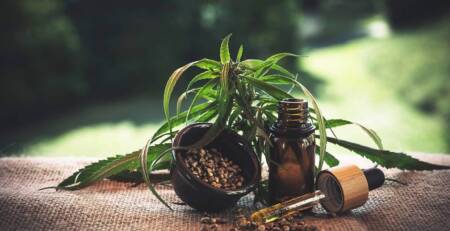
CBD Tinctures and Oils
These are liquid extracts taken sublingually (under the tongue) or mixed into food. Tinctures allow precise dosing and easy adjustment, making them ideal for patients titrating up slowly to find their optimal dose. Onset is typically 15-30 minutes when taken sublingually, and effects last 4-6 hours. Many arthritis patients prefer tinctures because they can adjust their dose throughout the day based on pain levels and activities. A high-quality CBD tincture from Speed Greens ensures consistent cannabinoid content and purity. For balanced benefits, the CBD Nation Organic MCT Oil Tincture combines CBD and THC in controlled ratios.
CBD Topicals
Creams, balms, and salves applied directly to painful joints provide localized relief without systemic absorption. Topicals are ideal for targeting specific arthritic joints without affecting the whole body. Many arthritis patients apply topicals before bed or before activities they know will increase pain. The Daily Remedy Salve It All 1000mg CBD and Daily Remedy Pain Killer Relief Cream are popular options for joint pain relief when treating arthritis with cannabis.
CBD Edibles
Gummies, capsules, and other edibles offer long-lasting effects (6-8 hours) but take longer to kick in (1-2 hours). Edibles are useful for sustained daytime pain relief or as a base therapy, with tinctures or topicals added as needed for flare-ups.
For Canadians seeking to begin buying CBD in Canada, choosing lab-tested products from reputable dispensaries ensures safety, purity, and consistent cannabinoid content.
THC-Dominant Options: When Pain Is Severe
Some arthritis patients, particularly those with severe pain or significant sleep disruption, consider adding THC to their regimen when treating arthritis with cannabis. THC offers stronger pain modulation and sleep support than CBD alone, though it brings the psychoactive effects that some patients want to avoid. Common THC formats for arthritis include:
Inhaled Cannabis
Smoking or vaporizing flower or concentrates produces the fastest onset (minutes) and shortest duration (2-4 hours). This allows easy dose adjustment throughout the day. Indica weed in Canada is often preferred for arthritis because indica strains tend to produce relaxing, pain-relieving effects rather than the energetic effects of sativas. Craft top shelf weed from a trusted Canada top dispensary offers premium quality and consistent effects.
THC Tinctures
Liquid THC can be dosed sublingually for faster absorption than edibles but slower than inhalation. Many patients use THC tinctures in the evening before bed.
THC Edibles
These provide the longest-lasting relief (6-8 hours) but require careful dosing because effects are delayed and powerful. Most arthritis patients start with very low doses (2.5-5mg THC) in the evening.
How to Dose Cannabis Safely for Arthritis
Safe cannabis dosing for arthritis follows the principle “start low, go slow,” meaning beginning with minimal doses and increasing gradually over days or weeks while monitoring effects and side effects when treating arthritis with cannabis.
For CBD
Many patients start with 5-10mg daily, taken in divided doses. This can be gradually increased by 5-10mg every few days based on symptom improvement and tolerability. Most patients find effective doses in the 15-50mg daily range, though some need more.
For THC
Starting doses should be very low, typically 1-2.5mg THC daily, ideally in the evening. After a week at this dose, increase by 1-2.5mg if well-tolerated. Many arthritis patients find 5-10mg THC in the evening effective for pain and sleep without excessive intoxication.
Dosing Checklist for Treating Arthritis with Cannabis
- Start with 5-10mg CBD or 1-2.5mg THC daily
- Wait at least 3-5 days before increasing dose
- Keep a detailed symptom log tracking dose, timing, effects, and side effects
- Note which activities or times of day benefit most from cannabis
- Adjust dosing based on patterns you observe over weeks
- Consult healthcare providers regularly during dose adjustments
Keeping a Symptom Log
Documenting your dose, timing, symptoms, side effects, and activities helps identify optimal doses. Over time, patterns emerge showing which products and doses work best for different situations when treating arthritis with cannabis.
Integrating Cannabis with Comprehensive Arthritis Management
Treating arthritis with cannabis works best as part of a comprehensive arthritis management plan rather than as a standalone treatment. Effective strategies include:
Physical Therapy
Regular, appropriate exercise maintains joint mobility, builds supporting muscles, and improves function. Cannabis can facilitate therapy participation by reducing pain during exercise.
Occupational Therapy
Occupational therapists teach joint protection techniques, adaptive equipment use, and energy conservation strategies that complement cannabis therapy.
Lifestyle Modifications
Weight management, stress reduction, adequate sleep, and anti-inflammatory nutrition all contribute to arthritis improvement when combined with treating arthritis with cannabis.
Medical Treatments
For many, particularly those with rheumatoid arthritis, disease-modifying medications remain important. Cannabis is best used alongside, not instead of, these treatments.
Arthritis Self-Management Programs
Courses and programs teaching pain management, pacing, coping strategies, and disease understanding have been scientifically proven to improve outcomes when combined with cannabis therapy.
Potential Risks, Side Effects, and Who Should Avoid Cannabis
Although cannabis is generally well-tolerated, several risks and side effects warrant awareness when treating arthritis with cannabis:
Common Side Effects
These may include dizziness, dry mouth, fatigue, appetite changes, and mild cognitive effects with THC use. Most side effects are dose-dependent and decrease with continued use or dose reduction.
⚠️ Who Should Avoid Cannabis for Arthritis
Pregnant and breastfeeding women should avoid cannabis due to potential fetal and infant exposure. Those with uncontrolled cardiovascular disease, serious liver or kidney disease, or active substance use disorders should consult physicians before using cannabis. Individuals on blood thinners or certain heart medications should also seek medical guidance before treating arthritis with cannabis.
Mental Health Considerations
While CBD may help anxiety, high-dose THC can paradoxically increase anxiety in some people. Those with a personal or family history of psychosis should use cannabis cautiously, if at all.
Drug Interactions and Medication Considerations
Cannabis, particularly CBD, can interact with various medications. CBD inhibits the cytochrome P450 enzyme system, which metabolizes many drugs. This can increase blood levels of medications like blood thinners (warfarin), blood pressure medications, immunosuppressants, and others. Conversely, THC may reduce the effectiveness of some drugs.
If you take medications for arthritis or other conditions, discuss cannabis use with your healthcare provider or pharmacist before starting. They can monitor drug levels and adjust medications if needed. Never stop prescription medications abruptly when starting cannabis—work with your physician on any changes when treating arthritis with cannabis.
How to Buy Quality Cannabis for Arthritis in Canada
For Canadian arthritis patients, purchasing from licensed, reputable dispensaries is crucial for safety and efficacy when treating arthritis with cannabis. Quality cannabis should be:
✓ Quality Standards for Cannabis Products
- Third-Party Tested: Lab results (Certificates of Analysis) should document cannabinoid content and screen for contaminants like pesticides, heavy metals, and mold
- Properly Labeled: Labels should clearly state CBD/THC content per bottle and per serving, ingredient lists, suggested use, and batch numbers
- From Reputable Retailers: Licensed dispensaries like Speed Greens provide transparent sourcing, customer reviews, and professional support
- Secure Delivery: You can conveniently buy weed online in Canada with secure, discreet delivery
Best Cannabis and CBD Options at Speed Greens
Speed Greens offers several excellent options for treating arthritis with cannabis:
Featured Products for Arthritis Relief
- Boost CBD Tincture 1500mg Natural – Pure CBD for daytime anti-inflammatory support without THC
- CBD Nation Organic MCT Oil Tincture – Balanced CBD and THC formula for comprehensive pain and sleep support
- Neuro Drops 5000mg Magic Mushroom Tincture – Potent formula combining cannabinoids with adaptogens for stress and pain relief
- Daily Remedy Salve It All 1000mg CBD – Topical cream for localized joint and muscle pain relief
- Daily Remedy Pain Killer Relief Cream – Regular Strength 500mg CBD – Effective topical for targeted pain control without systemic effects
Patient Experiences and Real-World Testimonials
Across Canada, arthritis patients report meaningful improvements after incorporating cannabis into their treatment plans. Common themes when treating arthritis with cannabis include:
- Significantly reduced pain allowing return to activities previously impossible
- Improved sleep quality leading to better daytime functioning and reduced fatigue
- Decreased anxiety and mood improvement from managing chronic illness more effectively
- Reduced medication burden – many note they’ve been able to reduce doses of conventional medications like NSAIDs or opioids, decreasing side effect burdens
- Potential disease stabilization – some report arthritis disease progression slowing or stabilizing, though more research is needed
Not all experiences are positive. Some patients report minimal benefit or side effects like anxiety or cognitive fogginess. This highlights that cannabis is not a universal solution and individual responses vary significantly when treating arthritis with cannabis. Working with knowledgeable healthcare providers and gradually, carefully experimenting helps identify whether cannabis will help a particular patient.
Frequently Asked Questions About Treating Arthritis with Cannabis
Is treating arthritis with cannabis in 2025 legal in Canada?
Yes. Cannabis is legal in Canada for adults 18+ (19+ in some provinces). Patients can legally purchase cannabis from licensed retailers and dispensaries. Some provinces offer medical cannabis programs with additional considerations.
Does cannabis cure arthritis?
No. Cannabis does not cure arthritis or reverse joint damage. It helps manage symptoms—pain, inflammation, sleep disruption—and may potentially slow disease progression based on emerging research. Most patients view treating arthritis with cannabis as one component of comprehensive arthritis management.
Is CBD or THC better for arthritis?
Both have benefits. CBD is preferred for daytime use due to non-intoxicating effects and strong anti-inflammatory properties. THC adds pain modulation and sleep benefits but causes intoxication. Many patients use both, adjusting ratios to their needs. The “better” option is highly individual when treating arthritis with cannabis.
Can cannabis replace prescription pain medication?
This requires discussion with your healthcare provider. Some patients successfully reduce or eliminate certain medications after adding cannabis. However, abruptly stopping medications like opioids can be dangerous. Medical supervision of any medication changes is essential when treating arthritis with cannabis.
How quickly does cannabis work for arthritis pain?
Inhalation works within minutes, tinctures within 15-30 minutes, and edibles within 1-2 hours. For chronic pain management, consistent daily use often works better than using cannabis as-needed. Many patients report noticing benefits after several days to weeks of consistent use when treating arthritis with cannabis.
Is cannabis safe for long-term arthritis management?
Cannabis appears safer than long-term NSAID, corticosteroid, or opioid use based on current evidence. However, long-term safety data specifically for arthritis patients is still accumulating. Regular medical monitoring is prudent, particularly for those on other medications when treating arthritis with cannabis.
What’s the best way to start treating arthritis with cannabis?
Start with low-dose CBD products (5-10mg daily), monitor your response for several days, and increase gradually if needed. Many patients find CBD tinctures or CBD capsules easiest for consistent dosing. Always consult healthcare providers before starting.
Conclusion: A Promising Path Forward for Arthritis Relief in 2025
Treating arthritis with cannabis in 2025 represents an exciting convergence of legalization, scientific evidence, and patient demand for alternatives to traditional medications with their associated risks and limitations. While cannabis is not a cure and does not reverse joint damage, emerging research supports its role in managing arthritis pain, inflammation, and sleep disruption—core symptoms that significantly impact quality of life.
The most promising approach combines cannabis with conventional treatments, physical therapy, occupational therapy, and lifestyle modifications in a personalized, medically supervised plan. Starting low and going slow, keeping careful records, and working with knowledgeable healthcare providers helps identify whether cannabis is a good fit for an individual’s particular arthritis situation.
As more clinical trials complete and long-term data accumulates, our understanding of cannabis’s potential for arthritis management will continue to evolve. For now, Canadian arthritis patients have access to legal, regulated cannabis products from reputable dispensaries like Speed Greens, offering hope for better symptom control and quality of life without the serious side effects of many conventional medications. Whether cannabis will prove to be a true game-changer for arthritis remains to be seen, but early signs suggest it merits consideration and continued research as part of 2025’s evolving arthritis care landscape.
Browse CBD Products for Arthritis Relief
Shop Cannabis Tinctures & Topicals
Speed Greens: Canada’s trusted online dispensary for treating arthritis with cannabis. Lab-tested CBD and THC products, expert guidance, and discreet delivery across Canada.
Additional Resources: Related Cannabis Health Guides
Expand your knowledge about cannabis for health and wellness with these comprehensive guides from Speed Greens:
- Ordering CBD Oil Online in 2025: Safe, Smart & Simple for Canadians
- Medicinal Cannabis and Long-Term Health: What Canadians Need to Know in 2025
- Buying Cannabis Online in Canada: Latest Cannabis News in 2025
- When to Take Strong Edibles: Best Times for Day or Night in Canada
- A Beginner’s Guide to Edibles in Canada: What to Know Before You Buy
- Best Way to Store Weed: Complete Cannabis Storage Guide